
THE ART OF BRASS STATUE MAKING: FROM MOLTEN METAL TO MASTERPIECE
Brass statues are more than decorative objects—they are expressions of artistry, tradition, and skilled craftsmanship. From intricate religious idols to elegant decorative sculptures, each brass statue tells a story of dedication, precision, and creativity. The journey from molten metal to a finished masterpiece involves a fascinating process that has been refined over centuries, preserving techniques passed down through generations of artisans.
A Legacy of Timeless Craftsmanship
Brass statues embody a rich heritage of artistry, culture, and skilled craftsmanship that has been passed down through generations. Each piece is meticulously handcrafted by talented artisans who transform raw brass into stunning works of art, paying close attention to every intricate detail. The durability and natural elegance of brass make these statues not only beautiful decorative accents but also cherished heirlooms that stand the test of time. Whether depicting deities, cultural symbols, or artistic forms, brass statues reflect a legacy of tradition and creativity, bringing warmth, character, and a sense of history to any space. Their enduring appeal lies in the perfect blend of ancient craftsmanship and timeless beauty, making them treasured additions to homes, offices, and sacred spaces alike.
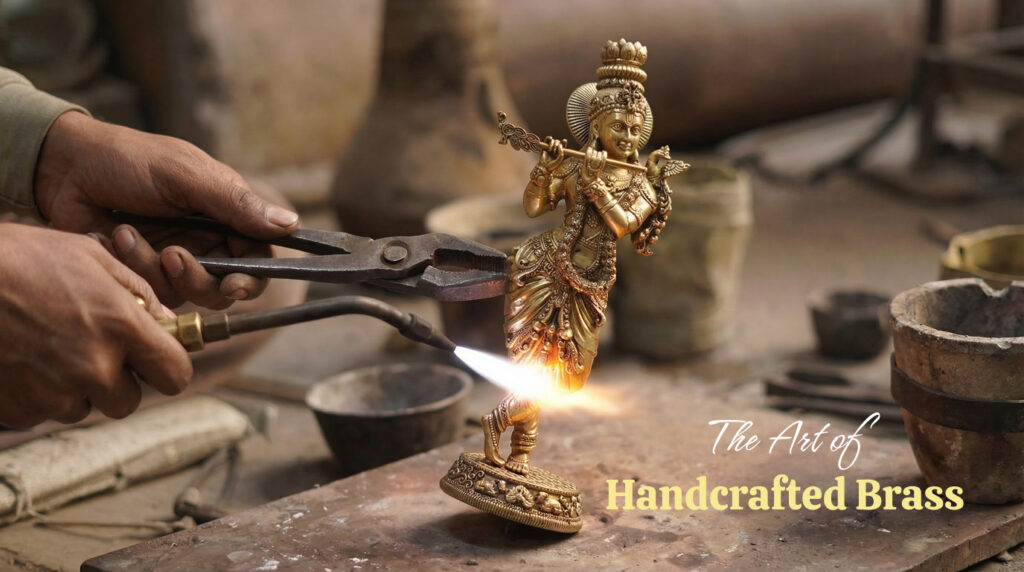
Discover the enduring allure of handcrafted brass statues, where exceptional artistry meets timeless design. Created by master craftsmen, each sculpture showcases remarkable attention to detail, transforming premium brass into elegant works of art. With their rich finish, lasting durability, and cultural significance, these statues represent a legacy of excellence that transcends trends, offering beauty and sophistication that can be treasured for generations.
Choosing the Right Materials
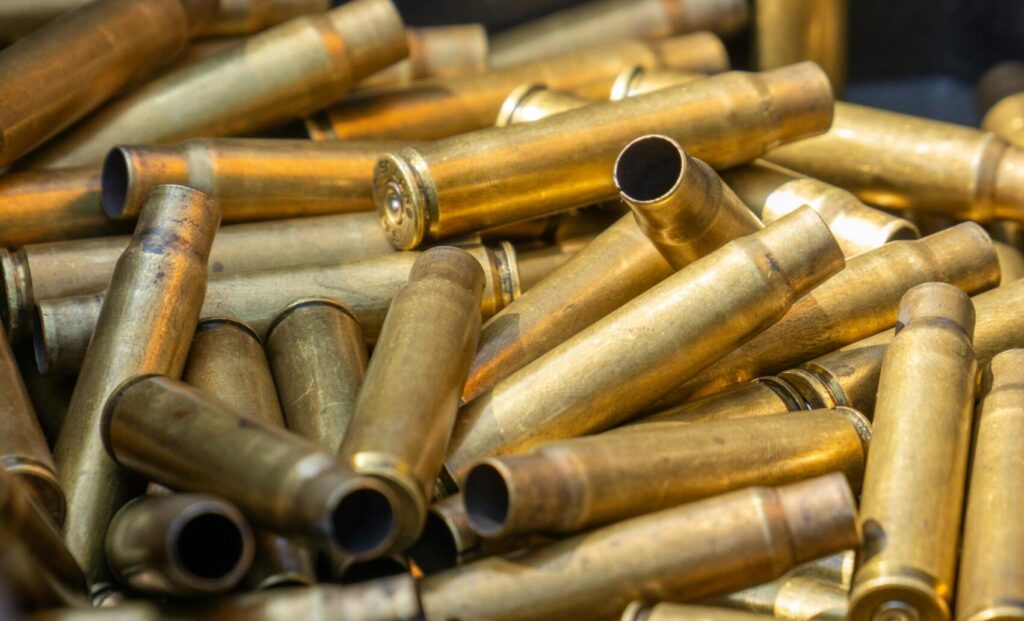
The beauty, durability, and value of a brass statue begin with the quality of the materials used in its creation. High-quality brass, known for its strength, corrosion resistance, and distinctive golden luster, is the preferred choice for crafting statues that are both elegant and long-lasting. Selecting premium-grade brass ensures finer detailing, a smoother finish, and greater durability, allowing the artwork to retain its charm for years to come. Whether used for decorative sculptures, religious idols, or collectible pieces, the right material plays a crucial role in enhancing the statue’s aesthetic appeal and structural integrity. Investing in well-crafted brass statues made from superior materials ensures a timeless piece that combines artistic beauty with enduring value.
The choice of material plays a vital role in transforming a simple design into an extraordinary work of art. Brass has been treasured for centuries due to its ability to capture fine details while maintaining exceptional strength. When artisans work with carefully selected brass, they can achieve a level of precision and elegance that elevates each sculpture into a timeless masterpiece. This dedication to quality materials forms the foundation of statues that embody both beauty and permanence.
Designing the Sculpture
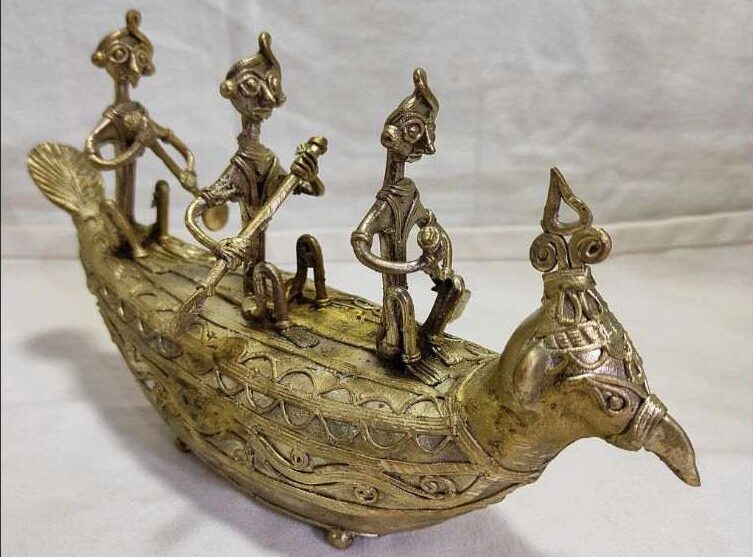
The design phase is where creativity and craftsmanship come together to shape the vision of a brass statue. Before the sculpting process begins, artisans carefully conceptualize every aspect of the piece, from its proportions and posture to the intricate details that bring it to life. Whether inspired by cultural heritage, spiritual symbolism, or artistic expression, a well-thought-out design ensures that the final sculpture captures both beauty and meaning. This stage requires a deep understanding of form, balance, and aesthetics, laying the foundation for a masterpiece that reflects exceptional artistry and timeless appeal.
Once the concept is finalized, the design process focuses on refining every detail to ensure the sculpture achieves the desired artistic vision. Artisans carefully consider proportions, expressions, textures, and ornamental elements, creating a harmonious composition that reflects both beauty and purpose. This stage serves as the creative blueprint for the entire crafting journey, ensuring that each brass statue possesses a distinct character and a captivating presence that resonates with admirers.
This thoughtful approach allows them to capture the essence of the subject while maintaining elegance and structural integrity. The result is a design that not only enhances visual appeal but also conveys a deeper sense of meaning and craftsmanship.
Creating the Mold
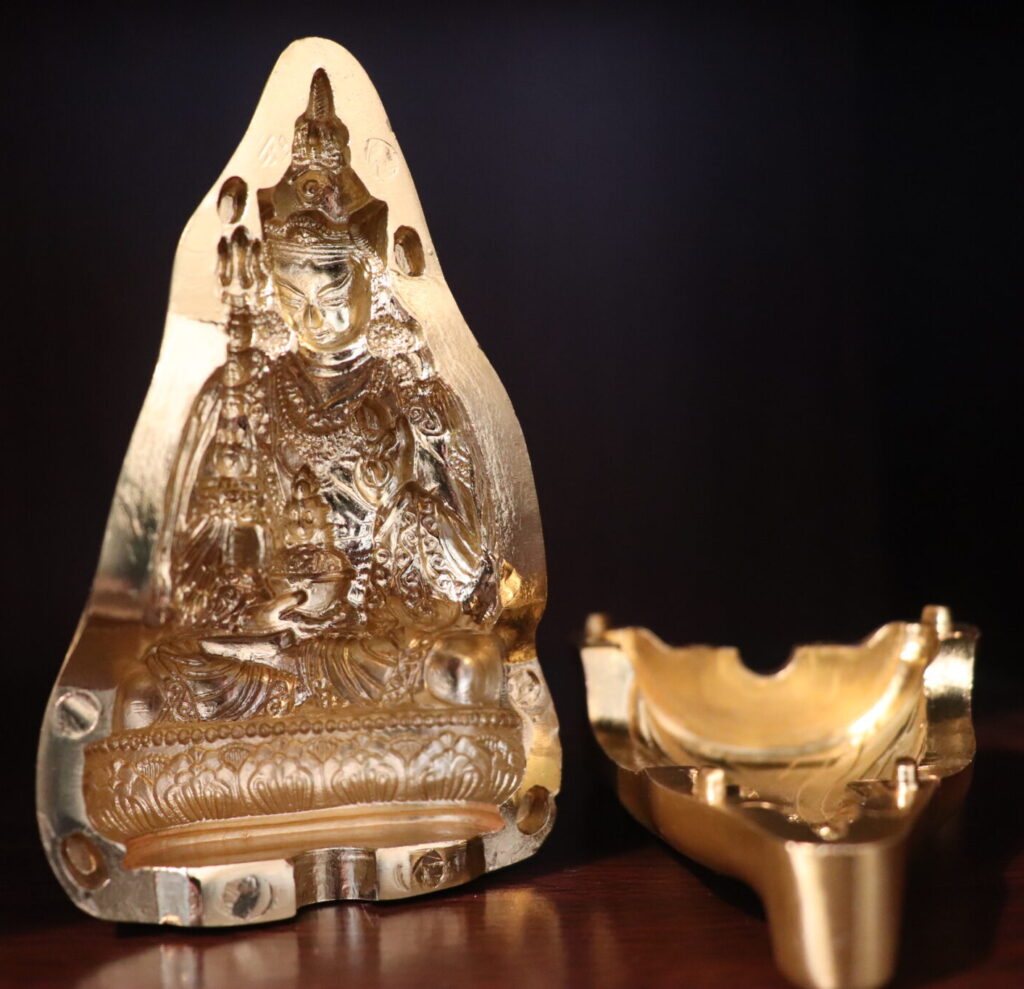
Creating the mold is a vital step in the production of a brass statue, as it directly influences the precision, durability, and aesthetic appeal of the final piece. After the original design or sculpture is completed, skilled craftsmen carefully prepare a mold that captures every intricate detail, from facial expressions and ornamental patterns to the finest textures of clothing and accessories. Depending on the complexity and size of the statue, the mold may be made in multiple sections to ensure accurate reproduction and easy removal during later stages.
Traditionally, molds are created using a combination of clay, plaster, silicone, or other specialized molding materials that can withstand the casting process while maintaining dimensional accuracy. The molding material is applied layer by layer around the model, allowing it to conform to every contour and detail. Once fully cured and hardened, the mold is carefully separated from the original model, leaving behind a precise negative impression.
At this stage, artisans thoroughly inspect the mold for any imperfections, air pockets, or inconsistencies that could affect the quality of the casting. Necessary refinements are made to ensure a flawless surface and proper flow channels for the molten brass. A well-crafted mold not only guarantees the faithful reproduction of the original design but also minimizes material waste and reduces the need for extensive corrections after casting. This careful blend of technical expertise and craftsmanship lays the foundation for creating brass statues that exhibit exceptional detail, strength, and artistic excellence.

Once the mold is completed and thoroughly tested, it is used to create a wax replica of the statue. Molten wax is carefully poured into the mold and evenly distributed to form a detailed hollow or solid wax pattern, depending on the design requirements. After cooling and hardening, the wax model is removed and meticulously inspected for imperfections. Any minor defects are corrected by hand to ensure that every detail matches the original design. This wax pattern plays a crucial role in the lost-wax casting process, serving as the exact form that will later be replaced by molten brass. The precision achieved during this stage helps guarantee a high-quality final statue with exceptional detail and craftsmanship.
With the ceramic shell fully hardened, the assembly undergoes the dewaxing process, a crucial step in the lost-wax casting method. The shell is gradually heated in a specialized furnace, causing the wax inside to melt and drain away through designated channels. As the wax exits, it leaves behind a hollow cavity that precisely mirrors the shape and details of the original sculpture.
The heating process is carefully controlled to prevent thermal shock and ensure the ceramic shell remains intact. Any residual wax is completely burned out, leaving a clean and accurate mold ready to receive molten brass. This stage transforms the temporary wax model into a permanent casting cavity, paving the way for the creation of the final metal sculpture. The resulting ceramic mold now contains every detail of the original artwork and serves as the foundation for producing a brass statue of exceptional quality and precision.
The Magic of Molten Metal
The transformation of solid brass into a stream of glowing molten metal is one of the most captivating and awe-inspiring stages in the creation of a brass statue. After extensive preparation, mold making, and shell building, the casting process reaches its defining moment when carefully selected brass is heated in a high-temperature furnace until it melts into a radiant liquid. As the metal reaches temperatures exceeding 900°C, it develops a brilliant golden-orange glow, symbolizing the transition from raw material to artistic medium. This stage requires a perfect balance of science, engineering, and craftsmanship, as foundry experts continuously monitor the temperature, composition, and fluidity of the molten brass to ensure optimal casting conditions. Even the slightest variation can affect the final quality of the sculpture, making precision and expertise essential throughout the process.
Once the molten brass reaches the desired consistency, it is carefully transferred and poured into the preheated ceramic mold. This dramatic moment is often regarded as the heart of the lost-wax casting process, where months of artistic planning and meticulous preparation culminate in a single, carefully executed operation. Guided through specially designed channels, the liquid metal flows smoothly into every cavity of the mold, filling even the most delicate recesses and intricate details. Whether it is the graceful folds of a garment, the fine features of a face, or elaborate ornamental patterns, the molten brass faithfully captures every element embedded within the mold. The mesmerizing movement of the glowing metal as it fills the mold reflects centuries of traditional casting techniques that have been refined and perfected by skilled artisans over generations.
The pouring process demands exceptional concentration and coordination. Foundry craftsmen must work swiftly yet carefully, ensuring that the metal remains at the correct temperature while preventing turbulence, air entrapment, or incomplete filling of the mold. Specialized tools and safety equipment are used to handle the molten brass, protecting both the artisans and the integrity of the casting. During these critical moments, experience plays a vital role, as skilled craftsmen rely on their knowledge and instincts to judge the flow of the metal and make adjustments when necessary.
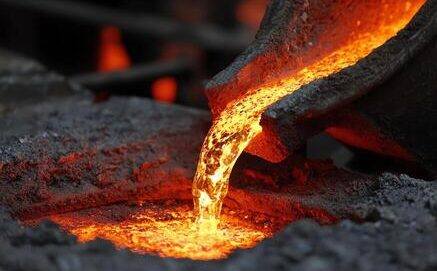
Beyond its technical significance, the molten metal stage represents the soul of brass statue manufacturing. It embodies the rich heritage of traditional metal casting while showcasing the remarkable capabilities of skilled artisans. The sight of molten brass illuminating the foundry with its fiery glow is both dramatic and symbolic, representing the birth of a sculpture that may endure for generations. Every successful pour carries with it the dedication, patience, and expertise invested throughout the entire production journey. By the time the metal cools and the mold is broken away, the once-liquid brass has become a durable and timeless work of art, ready to undergo finishing and polishing before taking its place as a stunning brass statue. This remarkable transformation truly captures the magic of molten metal and highlights why casting remains one of the most fascinating and respected techniques in the world of sculpture and metal artistry.
Cooling and Revealing the Form
After the molten brass has been carefully poured into the mold, the casting is allowed to cool and solidify, marking a crucial stage in the creation of a brass statue. During this process, the liquid metal gradually transforms into a solid form, faithfully capturing every intricate detail of the original design. Proper cooling is essential, as it ensures the structural integrity of the statue and helps prevent defects such as cracks, warping, or surface imperfections. Skilled artisans carefully monitor the cooling period, allowing the brass to settle and harden naturally within the mold to achieve the best possible results.
Once the metal has completely solidified, the mold is carefully removed to reveal the newly cast sculpture for the first time. This unveiling is one of the most exciting moments in the manufacturing journey, as the hidden artwork finally emerges in its metallic form. Although the statue may still have excess metal from casting channels and traces of the mold attached, its overall shape, intricate carvings, and artistic details are now clearly visible. Craftsmen then inspect the casting to ensure every feature has been accurately reproduced and prepare it for the finishing stages.
The revealing process showcases the remarkable transformation from molten metal to a tangible work of art. Every curve, texture, and decorative element that was meticulously crafted into the original model is now preserved in solid brass. This stage not only confirms the success of the casting process but also marks the moment when the artist’s vision becomes a physical reality. As the sculpture emerges from its mold, it represents the culmination of skilled craftsmanship, technical precision, and centuries-old casting traditions, bringing the brass statue one step closer to its final polished form.
Hand Finishing and Detailing
Once the brass statue has been cast and revealed from the mold, it enters the hand-finishing and detailing stage, where skilled artisans refine the sculpture and bring out its true beauty. At this point, any excess metal from casting channels, gates, and support structures is carefully removed using specialized tools. The surface is then cleaned, smoothed, and inspected to eliminate minor imperfections that may have occurred during the casting process. This meticulous work ensures that the statue achieves a flawless appearance while preserving the intricate details captured in the mold.
Hand finishing is a highly skilled craft that requires patience, precision, and a keen eye for detail. Artisans carefully enhance decorative patterns, sharpen fine lines, and refine facial features, textures, and ornamental elements to ensure every aspect of the sculpture meets the highest standards of craftsmanship. In many cases, delicate engraving and chasing techniques are used to restore or emphasize details that contribute to the statue’s artistic character. This hands-on approach allows craftsmen to add depth, definition, and realism to the artwork, transforming a raw casting into a refined masterpiece.
The final stages of detailing often involve polishing and surface treatment to achieve the desired finish. Depending on the design, the brass statue may be polished to a brilliant shine, given a satin texture, or treated with a patina to create an aged and distinctive appearance. Each finishing technique enhances the visual appeal of the sculpture while highlighting its unique artistic qualities. Through careful hand finishing and detailing, artisans breathe life into the brass statue, ensuring that every piece reflects exceptional craftsmanship, timeless beauty, and the artistic vision behind its creation.
Polishing for Lasting Beauty
Polishing is the final and one of the most visually rewarding stages in the creation of a brass statue, where the fully crafted sculpture is refined to reveal its true brilliance, depth, and artistic elegance. After casting, finishing, and detailed handwork are completed, the surface of the statue still carries fine marks, subtle irregularities, and a natural matte tone formed during earlier stages. At this point, skilled artisans begin a careful and systematic polishing process using a combination of abrasive materials, sanding tools, buffing wheels, and traditional hand-rubbing techniques. This gradual refinement removes surface imperfections layer by layer, slowly unveiling the warm golden luster that makes brass such a prized material in sculpture making. Every section of the statue is treated with patience and precision, ensuring that even the most intricate carvings, folds, and textures are polished without losing their definition.
Depending on the artistic vision, polishing can be tailored to achieve different finishes that enhance the character of the statue. A high-gloss mirror finish may be applied to create a striking, reflective surface that highlights every contour and catches light beautifully, giving the statue a vibrant and majestic appearance.
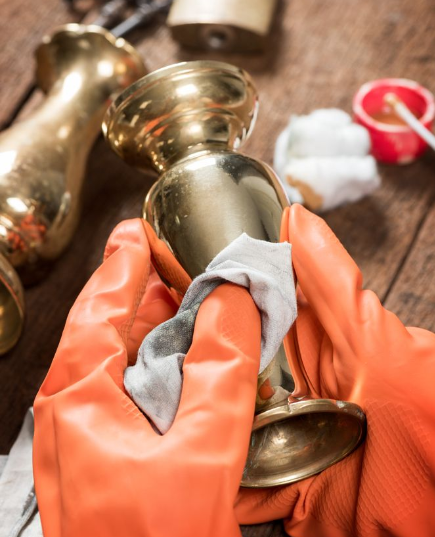
In many traditional brass sculptures, selective polishing is also used, where raised areas are brightened while recessed details are left slightly darker, creating a natural contrast that adds depth and dimension to the artwork. This thoughtful approach to surface treatment ensures that the final appearance aligns perfectly with the intended artistic expression
Beyond aesthetics, polishing also contributes significantly to the longevity and protection of the brass statue. A well-polished surface reduces the chances of oxidation and tarnishing caused by exposure to air, moisture, and environmental conditions. To further preserve the finish, artisans often apply protective layers such as wax coatings or specialized sealants that act as a barrier against corrosion while maintaining the statue’s natural shine. These protective measures help ensure that the sculpture retains its beauty and structural integrity for many years, even when displayed in open or varying environments.
Ultimately, polishing represents the final transformation in the long journey of brass statue making, where raw craftsmanship evolves into refined artistry.The statue, now glowing with a rich and lasting beauty, reflects not only the skill of the artisans but also the dedication and tradition behind the craft.
Preserving Tradition in a Modern World
In today’s fast-paced, technology-driven world, the art of brass statue making stands as a powerful reminder of the value of tradition, patience, and skilled craftsmanship. While modern machinery and advanced casting techniques have introduced greater efficiency and precision into the process, the essence of this ancient art form remains deeply rooted in centuries-old methods passed down through generations. Artisans continue to rely on time-honored practices such as lost-wax casting, hand carving, and manual finishing, ensuring that every brass statue carries the imprint of human touch and cultural heritage. This balance between tradition and modern innovation allows craftsmen to maintain authenticity while meeting contemporary demands for quality and detail.
Despite the rise of automated production methods, handcrafted brass statues continue to hold a special place in art, culture, and spirituality. Each piece reflects not only technical skill but also artistic sensitivity and cultural storytelling. Many workshops and artisan communities actively work to preserve these traditional techniques, training younger generations in the intricacies of mold making, casting, and finishing. This transfer of knowledge is essential for keeping the craft alive, as it ensures that the skills, values, and artistic philosophies behind brass statue making are not lost in the face of modernization.
At the same time, modern tools and improved materials have helped enhance certain aspects of the process without diminishing its traditional core. Better temperature control in furnaces, improved alloy compositions, and advanced finishing tools allow artisans to achieve higher consistency and durability while still relying on manual expertise for artistic detailing. This integration of old and new techniques has enabled brass statue making to evolve while preserving its identity as a highly skilled and culturally significant craft.
Ultimately, preserving tradition in a modern world is about maintaining respect for heritage while embracing thoughtful innovation. Brass statues serve as enduring symbols of this harmony, representing not only artistic excellence but also the continuity of cultural legacy. Through the dedication of skilled artisans and the continued appreciation of handcrafted art, this timeless tradition continues to thrive, connecting the past with the present and ensuring its relevance for future generations.
Why Handcrafted Brass Statues Stand Apart
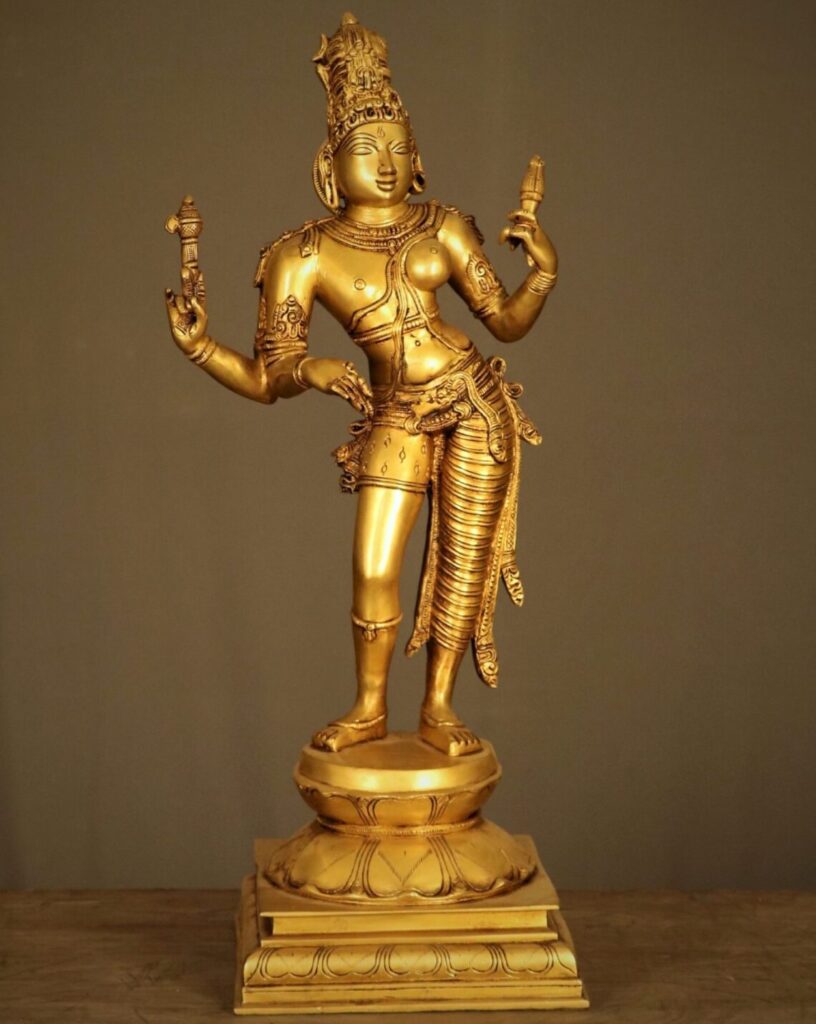
Handcrafted brass statues stand apart because they carry a level of detail, emotion, and authenticity that machine-made pieces often cannot replicate. Each statue is shaped through a series of carefully executed manual processes—designing, molding, casting, and finishing—where skilled artisans invest time, patience, and personal craftsmanship into every stage. Unlike mass-produced items, no two handcrafted brass statues are ever truly identical, as subtle variations in carving, texture, and finishing reflect the unique touch of the artisan who created them. This individuality gives each piece its own character and artistic identity, making it not just a product, but a true work of art.
Another defining quality of handcrafted brass statues is the depth of artistic expression they embody. Artisans do not simply reproduce a form; they interpret it. Through years of experience and inherited techniques, they bring life to metal by carefully refining facial expressions, enhancing ornamental details, and balancing proportions to create a visually harmonious sculpture. This attention to fine detailing results in statues that feel more expressive, realistic, and emotionally engaging. The human touch involved in shaping every curve and contour adds warmth and soul to the artwork, something that is difficult to achieve through automated production methods.
Handcrafted brass statues also stand out for their durability and traditional value. Made using time-tested techniques such as lost-wax casting and hand finishing, these statues are built to last for generations. The use of high-quality materials combined with careful craftsmanship ensures structural strength while preserving intricate details over time. Beyond their physical durability, they also hold cultural and spiritual significance, often representing heritage, devotion, and artistic legacy. This makes them more than decorative objects—they become meaningful pieces that carry stories, traditions, and values across time.
Ultimately, what truly sets handcrafted brass statues apart is the connection they create between the artisan, the material, and the observer. Every piece reflects hours of dedication, skill, and artistic vision, transforming raw brass into a timeless expression of creativity. In a world of mass production, these statues continue to stand as symbols of authenticity, heritage, and enduring craftsmanship, making them uniquely valuable and irreplaceable.
Conclusion
The journey of creating a brass statue is a remarkable blend of art, science, and tradition, where raw metal is transformed into a timeless masterpiece through skill, patience, and dedication. From the initial stages of design and mold creation to the dramatic moment of molten metal pouring, every step reflects centuries of refined craftsmanship passed down through generations. Each phase—casting, cooling, breaking the mold, and revealing the form—plays a vital role in shaping the final sculpture, ensuring that even the finest details are preserved in solid brass.
As the process continues through hand finishing, detailing, and polishing, the statue gradually evolves from a rough casting into a refined work of art. It is in these final stages that the true character of the sculpture emerges, as artisans carefully enhance textures, sharpen features, and bring out the natural brilliance of brass. Beyond technical skill, this transformation represents the dedication and artistic vision of craftsmen who breathe life into metal, turning it into something meaningful and enduring.
In a modern world driven by speed and automation, brass statue making stands as a powerful reminder of the value of traditional artistry and human craftsmanship. Each handcrafted piece carries not only aesthetic beauty but also cultural heritage and emotional depth, making it unique and irreplaceable. Ultimately, from molten metal to masterpiece, the art of brass statue making celebrates the harmony between creativity and craftsmanship, preserving a legacy that continues to inspire and captivate across generations.
FAQ's
1. What is the process of making a brass statue?
The process of making a brass statue involves several stages, including design creation, mold making, wax modeling, ceramic shell building, dewaxing, molten brass casting, cooling, breaking the mold, hand finishing, and final polishing. Each step is carefully executed to ensure accuracy, detail, and artistic quality.
2. Which method is commonly used for brass statue casting?
The most commonly used method is the lost-wax casting process (also known as investment casting). This traditional technique allows artisans to capture fine details and create highly intricate brass sculptures with precision.
3. Why is molten metal important in statue making?
Molten brass is essential because it allows the material to flow into every detail of the mold. Once it cools and solidifies, it forms a strong and durable sculpture that perfectly reflects the original design.
4. How long does it take to make a brass statue?
The time required depends on the size and complexity of the statue. Small pieces may take a few days, while larger and highly detailed sculptures can take several weeks or even months to complete.
5. How are brass statues polished and protected?
Brass statues are polished using abrasive materials and buffing techniques to achieve shine. A protective coating like wax or sealant is often applied to prevent tarnishing and maintain long-lasting beauty.